 ZhongQi Growth
ZhongQi Growth
ZhongQi Growth
In the contemporary industrial ecosystem, webbing manufacturers and factories play a pivotal role that extends far beyond simple fabric production. Webbing, a strong, narrow, closely woven fabric designed for high-tension applications, is the literal backbone of global logistics, safety infrastructure, and heavy-duty construction. Today, the global webbing market is experiencing a transformative phase, driven by the surging demands of the e-commerce supply chain, international maritime transport, and the modernization of military and aerospace safety protocols.
As a leading webbing factory, we observe that the industry is no longer just about weaving fibers; it is about high-performance polymer engineering. From polyester (PES) and nylon (PA) to advanced materials like Kevlar and HMPE (High Modulus Polyethylene), modern webbing must withstand extreme environmental conditions, UV exposure, and massive chemical stresses while maintaining its structural integrity.
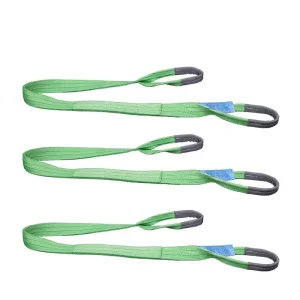
The international trade of lifting slings and cargo tie-downs is centered around manufacturing hubs in Asia, specifically China, which accounts for over 60% of the world's production capacity. European and North American markets remain the primary consumers, demanding rigorous safety certifications like CE, GS, and EN1492.
Webbing is integrated into vertical industries such as automotive (seatbelts and towing), construction (lifting slings and safety harnesses), and military (tactical gear). This cross-industry utility makes webbing factories critical components of national industrial security.
With an annual growth rate projected at 5.4%, the webbing industry is shifting toward "Smart Webbing"—fabrics embedded with sensors for load monitoring and wear detection, reflecting the AI and tech-driven future of manufacturing.
The webbing manufacturing industry is currently undergoing a "Green and Digital" double transformation. Global procurement teams are increasingly prioritizing factories that offer sustainable manufacturing processes and digitized quality control systems. Here are the defining trends:
Eco-friendly webbing made from rPET (recycled polyester) is gaining massive traction. Leading brands are seeking factories that can reduce their carbon footprint without compromising the breaking strength or elongation properties of the material.
Automation in webbing factories has transitioned from simple mechanical looms to AI-monitored weaving systems. These systems detect microscopic yarn breaks in real-time, ensuring that every meter of a lifting sling meets 100% of the safety specifications.
Standard webbing is now being enhanced with specialized coatings—polyurethane for abrasion resistance, PVC for waterproofing, and flame-retardant treatments for firefighting and aerospace applications.
For global buyers—ranging from large-scale hardware distributors in North America to construction conglomerates in the Middle East—the search for webbing manufacturers focuses on "Reliability vs. Cost." Procurement managers are looking for partners who can offer localized solutions. For instance, in the humid environments of Southeast Asia, UV and mold-resistant webbing is a priority, whereas, in the logistics hubs of Europe, cargo control systems must adhere to the strictest VDI 2700 standards.
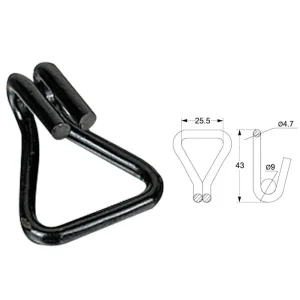
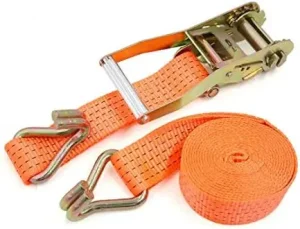
We provide OEM and ODM services that allow for localized branding, color-coding according to regional safety standards (like the WSTDA standards for North America), and customized end-fittings (hooks, rings, and buckles) tailored to specific vehicle types and warehouse infrastructures.
Located in Tianjin, we are minutes away from the Tianjin Port, one of the world's largest logistics hubs. This means lower inland freight costs and faster international shipping times for our global clients.
With an average team age of 25, our R&D department is agile and tech-savvy. We utilize the latest AI design tools to simulate load-bearing capacities and optimize material usage, providing you with "Next-Gen" safety products.
Every batch of webbing undergoes a tensile strength test, salt spray test for hardware, and abrasion resistance testing. Our "Safety First" philosophy is backed by a 10-year track record of excellence.
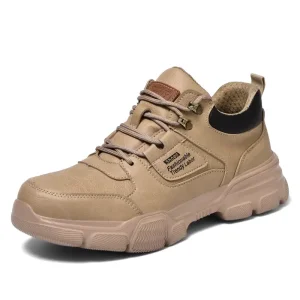
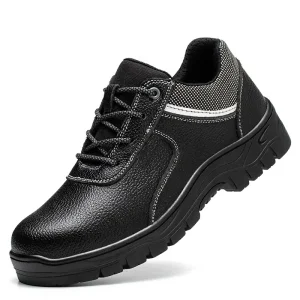
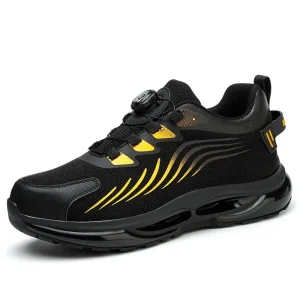
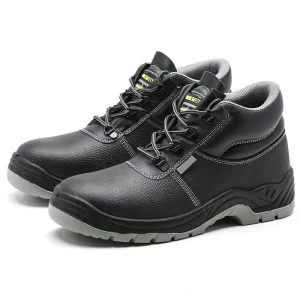
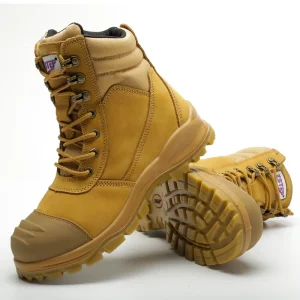
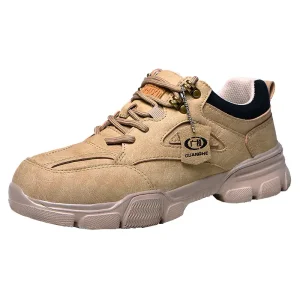
Tianjin ZhongQi Growth Technology Co., Ltd. is strategically located in the vibrant coastal city of Tianjin, adjacent to the world-class logistics hub of Tianjin Port. Leveraging over 10 years of expertise in the safety product industry, we have evolved from a specialized safety shoe manufacturer into a leading-edge factory with a robust R&D, design, and production ecosystem.
Driven by a dynamic and professional team with an average age of 25, we spearhead industry trends through high innovation and market sensitivity. Our core philosophy—"Safety First, Quality Foremost"—is embedded in every solution we deliver, from high-performance lifting equipment to reliable protective gear. With a global reputation for superior praise rates and price competitiveness, ZhongQi is committed to providing reliable safety solutions and exceptional service to partners worldwide.
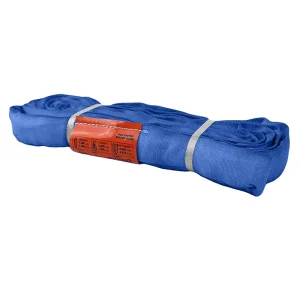
At Tianjin Zhong Qi Growth Technology, our narrative is not merely about manufacturing lifting slings; it's a saga of unwavering commitment and relentless pursuit of excellence. We pride ourselves on being the paragon of trust and authenticity in the realm of lifting equipment.
The manufacturing process at a premier webbing factory is a complex symphony of textile engineering and polymer science. It begins with the selection of high-tenacity yarns. Polyester is the most common choice for lifting slings due to its low stretch and high resistance to acids, while Nylon is preferred for shock-absorbing applications like safety lanyards because of its elasticity. As manufacturers, we also explore Polypropylene for its buoyancy in marine applications.
The weaving process involves sophisticated needle looms or shuttleless looms that interlaced the warp and weft fibers at high speeds. The "density" of the weave determines the breaking strength. For heavy-duty lifting, we produce multi-layer webbing, where multiple layers are woven together simultaneously, creating a single, incredibly strong strap capable of lifting dozens of tons. This is where the distinction between a standard workshop and a high-tech webbing manufacturer becomes clear: precision.
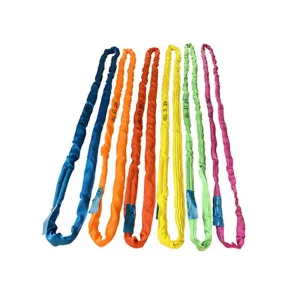
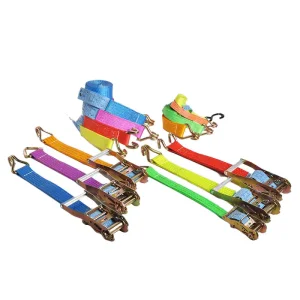
In the global market, factories must also master the art of finishing. Dyeing is not just for aesthetics; it's for safety. Each color typically represents a specific weight capacity (the international color code). Furthermore, heat-setting the webbing ensures dimensional stability, preventing the strap from shrinking or expanding when exposed to the elements. Our factory employs advanced heat-setting chambers that utilize sensor-controlled temperatures to guarantee consistency across every batch.
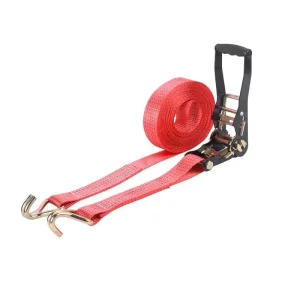
Looking ahead, the integration of AI and IoT in webbing products is the next frontier. Imagine a ratchet strap that sends an alert to a truck driver's smartphone if the tension drops below a safe level, or a lifting sling that tracks its own "usage cycles" and notifies the safety officer when it's time for replacement. At Tianjin ZhongQi, we are already researching these "Smart Cargo" solutions to ensure our partners stay ahead of the curve.
Moreover, the rise of the circular economy is pushing us to innovate in chemical recycling. We are currently working on a closed-loop system where old, discarded webbing can be chemically broken down into its original monomers and resynthesized into new, high-strength yarns. This commitment to the environment, combined with our strategic location near Tianjin Port and our deep technical expertise, makes us the ideal partner for any enterprise looking for a sustainable and reliable webbing manufacturer.