 ZhongQi Growth
ZhongQi Growth
ZhongQi Growth
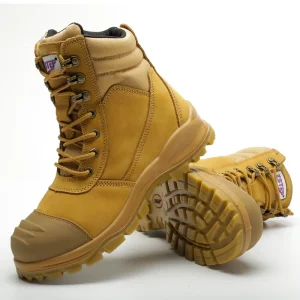
Direct-from-factory personal protective gear and heavy industrial rigging solutions built to rigorous global regulatory certifications.
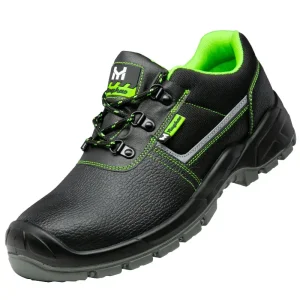
In the hierarchy of Personal Protective Equipment (PPE), industrial head protection remains the primary line of defense. The Black Helmet Plastic Hat Industrial Safety Helmet is increasingly specified for specialized site operations. In typical color-coding schemes across major construction, petrochemical, and heavy engineering facilities, black helmets are designated for supervisors, safety managers, technical specialists, or external regulatory inspectors.
When selecting safety helmets, procurement professionals must distinguish between standard ABS (Acrylonitrile Butadiene Styrene) and HDPE (High-Density Polyethylene) formulations. The physical structure of these polymer compounds directly affects impact attenuation, puncture resistance, and environmental durability under UV exposure.
How localized manufacturing ecosystems and port access optimize cost, customization, and lead times for global enterprises.
The manufacturing of industrial safety equipment, including helmets and rigging components, thrives within specialized industrial belts in China. These clusters consolidate raw chemical polymer suppliers, advanced automated injection molding facilities, strap-weaving mills, and testing laboratories in close proximity. This geographic density reduces material transport costs and speeds up prototyping cycles.
Tianjin ZhongQi Growth Technology Co., Ltd. leverages this ecosystem. Strategically based in the coastal city of Tianjin, adjacent to the Tianjin Port—one of the largest dry container ports in northern China—the company manages global freight distribution efficiently, reducing transshipment times for international bulk buyers.
Integrated manufacturing models reduce operational margins. Access to domestic steel and plastic supply networks keeps prices competitive without sacrificing physical protection standards.
Tianjin ZhongQi Growth Technology Co., Ltd. is located in the coastal city of Tianjin, adjacent to Tianjin Port. This location supports efficient logistics and international shipping options. We focus on the manufacture and supply of high-performance safety products. Our production facility is located in an established industrial belt, backed by dedicated R&D, design, production, and after-sales support systems.
With over 10 years of experience in the safety equipment industry, we serve a global customer base. The ZhongQi team, which began as a dedicated safety footwear producer, has developed into a young, professional organization with an average age of 25. We operate under the corporate standard of "Safety First, Quality First", working to ensure every delivered product meets strict performance requirements.
Alongside product quality, we focus on employee development and operational safety. For organizations seeking certified, industrial-grade personal protection and rigging equipment, our team is equipped to support your technical specifications.
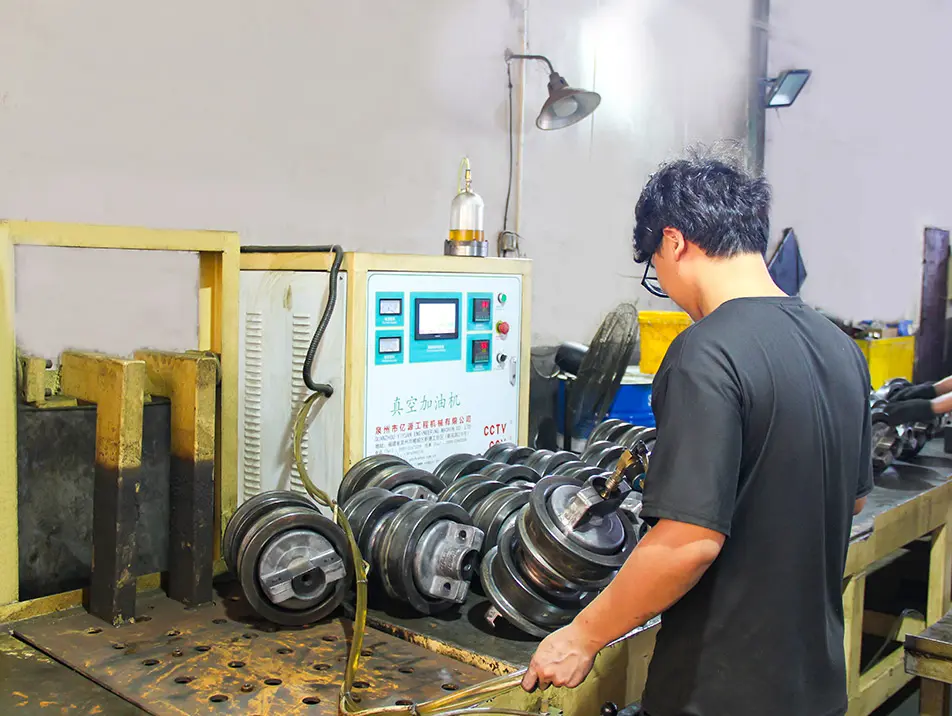
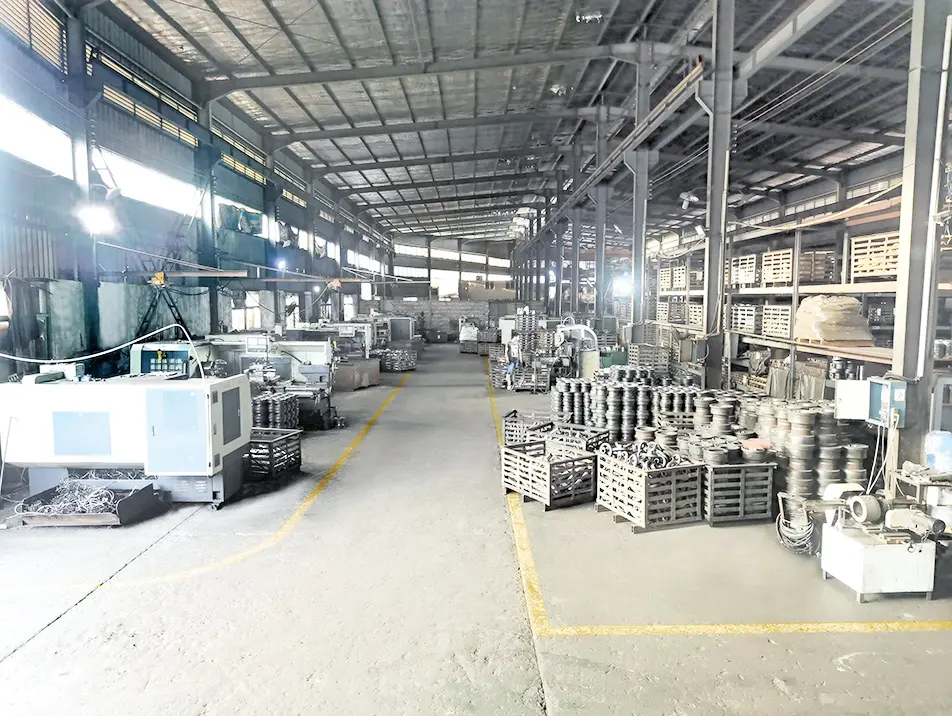
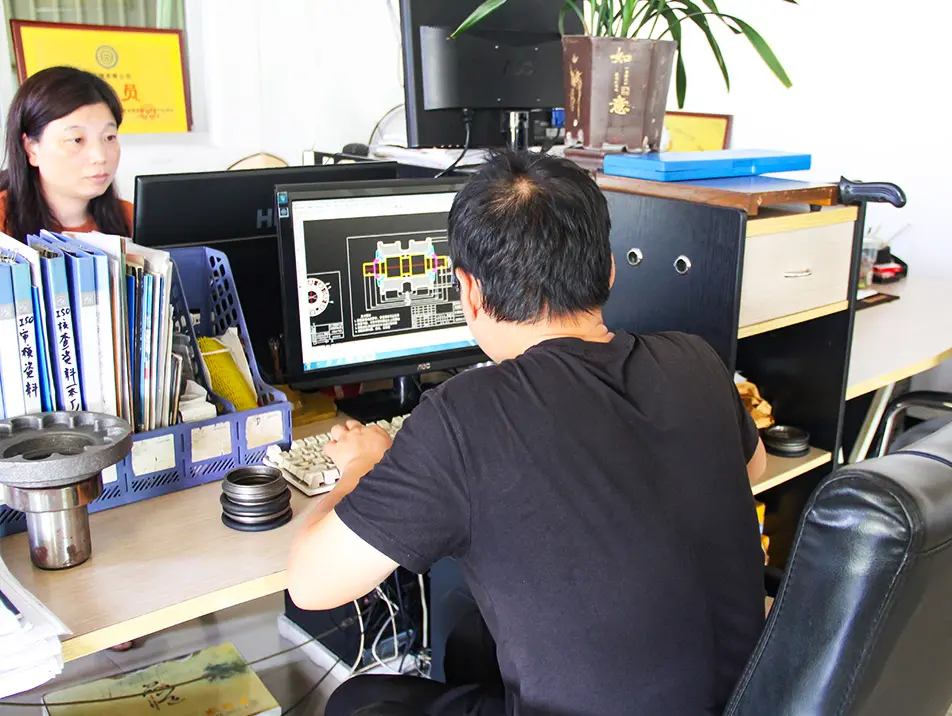
Delivering tested and verified safety equipment designed for challenging industrial and rigging applications.
Operating transparently, focusing on authentic materials and engineering practices that build long-term business partnerships.
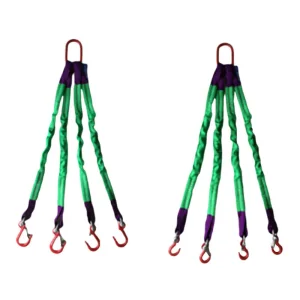
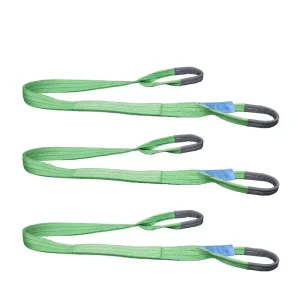
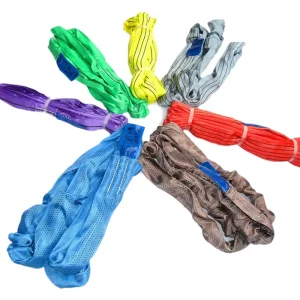
Our range of lifting slings, rigging slings, webbing slings, safety harnesses, and cargo straps is manufactured to meet global regulatory benchmarks.
Maintaining transparent material grades, verified batch tracing, and robust quality control protocols from procurement to dispatch.
Tracing our growth from a regional workshop into an international safety equipment exporter.
The factory officially entered the industrial lifting and safety equipment market, focusing on safety first and establishing baseline product lines to build market share in regional hoisting components.
Expanded manufacturing capacity by introducing automated production equipment to standardize processing. Secured quality management certifications including ISO9001 and China Classification Society (CCS) approval.
Diversified product development into safety harnesses, ratchet tie-down straps, and height-safety equipment. Obtained international product safety certifications including CE and GS marks.
Established the International Trade Department to coordinate direct export operations, expanding the distribution of certified lifting and personal safety equipment to international industrial buyers.
Engineered solutions for height safety, load securing, and heavy industrial rigging applications.
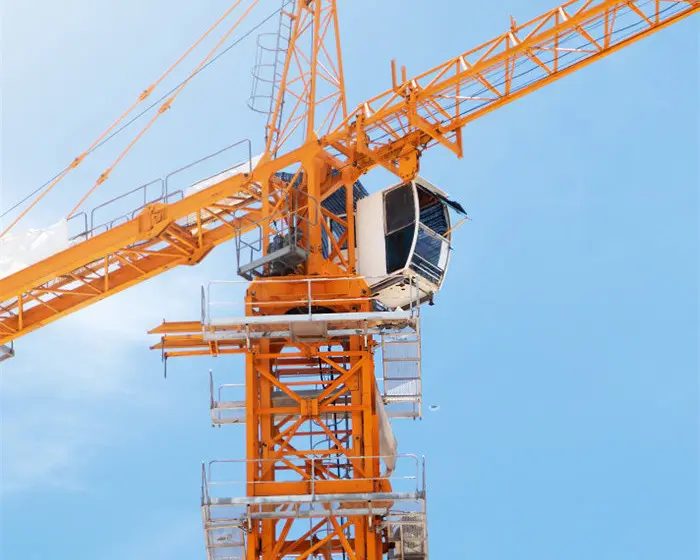
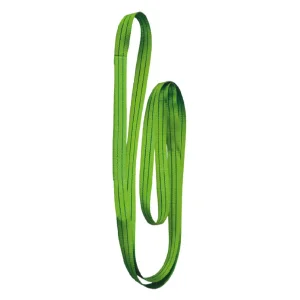
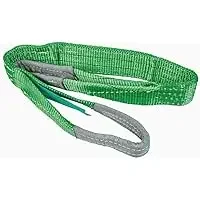
Heavy-duty lifting straps designed to secure and lift heavy cargo loads safely across construction and manufacturing sites.
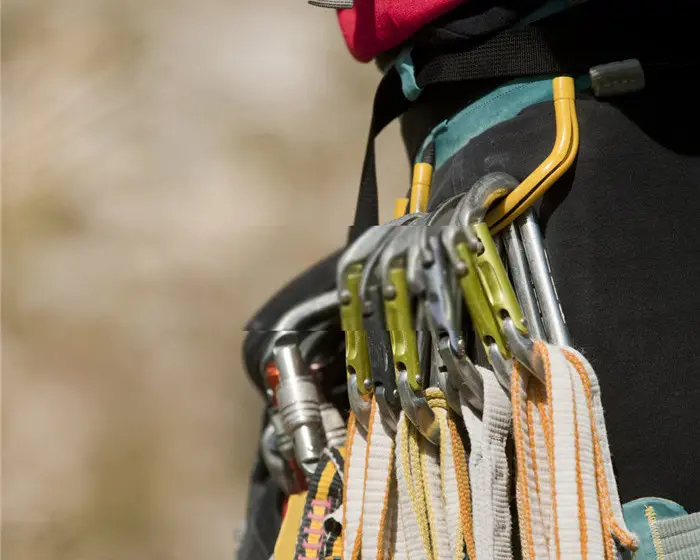
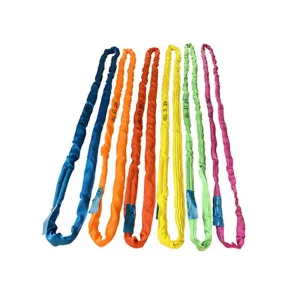
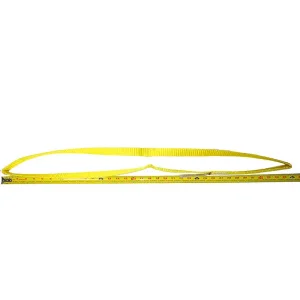
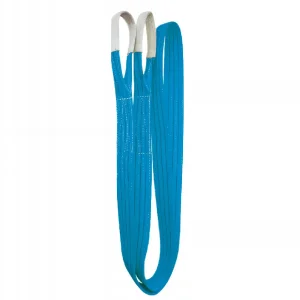
Customizable high-tenacity polyester slings built to transport varied loads without damaging polished or delicate surfaces.

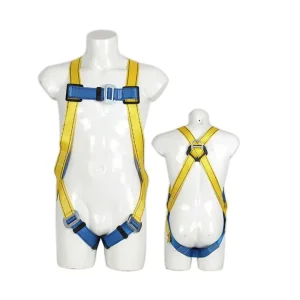
Ergonomically designed fall-arrest harnesses that secure technicians working at heights, keeping compliance with fall-safety codes.
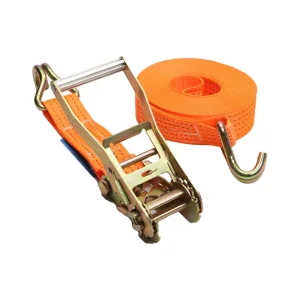
Durable ratchet cargo lashing assemblies engineered to secure high-tonnage freight during international and domestic shipping.
In modern industrial safety, the design of a safety helmet requires a balance of impact absorption, penetration resistance, weight, and environmental durability. Manufacturers utilize two main categories of polymers for injection molding safety hats: ABS (Acrylonitrile Butadiene Styrene) and HDPE (High-Density Polyethylene).
ABS is a terpolymer synthesized by polymerizing styrene and acrylonitrile in the presence of polybutadiene. Each monomer contributes distinct qualities to the final helmet:
Acrylonitrile: Provides chemical resistance, thermal stability, and surface hardness.
Butadiene: Offers impact resistance and toughness, even at low temperatures.
Styrene: Gives the polymer a rigid, glossy surface that is easy to clean and inspect.
Because of this molecular structure, ABS helmets offer high impact strength, mechanical rigidity, and resistance to scratches. They are commonly used in environments with a risk of lateral impacts, high temperatures, or falling objects, such as structural steel erection, heavy demolition, and metal refining.
HDPE is a thermoplastic polymer characterized by minimal branching on the molecular chain. This linear structure results in higher density and tensile strength compared to low-density alternatives. HDPE safety helmets are lightweight, offer good dielectric properties (non-conductive), and perform well in high-humidity or corrosive atmospheres.
HDPE safety helmets are often selected for utility work, forestry, and general assembly operations due to their balance of weight and reliable top-impact protection.
For international procurement managers, verifying safety helmet certifications is a critical risk-management step. Sourcing head protection requires detailed documentation of standard compliance based on regional regulations.
Specifies requirements for shock absorption, resistance to penetration, flame resistance, and chin-strap anchor point release. Tests include dropping a 5kg steel striker from 1 meter to measure transmitted force (which must not exceed 5kN).
Classifies helmets by impact type and electrical performance. Type I covers top impact, while Type II covers top and lateral impact. Class G (General, 2.2kV), Class E (Electrical, 20kV), and Class C (Conductive, no electrical protection) define insulation levels.
The national standard regulating the manufacture, physical properties, and testing parameters of industrial safety helmets in China, aligning closely with international ISO performance categories.
While safety helmet colors are not standardized globally, specific industries use color systems to identify roles, improve communication, and manage safety on site:
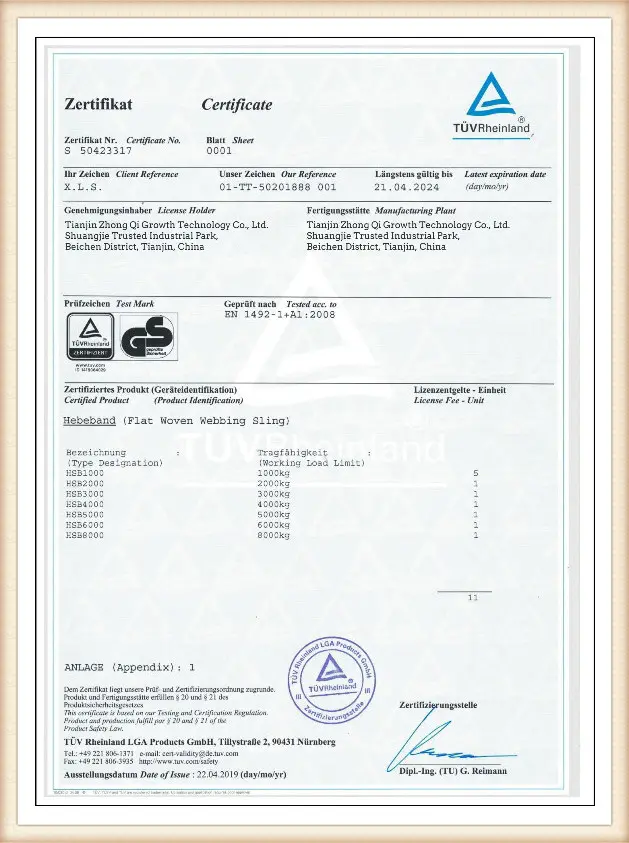
Direct verification of our commitment to manufacturing and product excellence over the years.
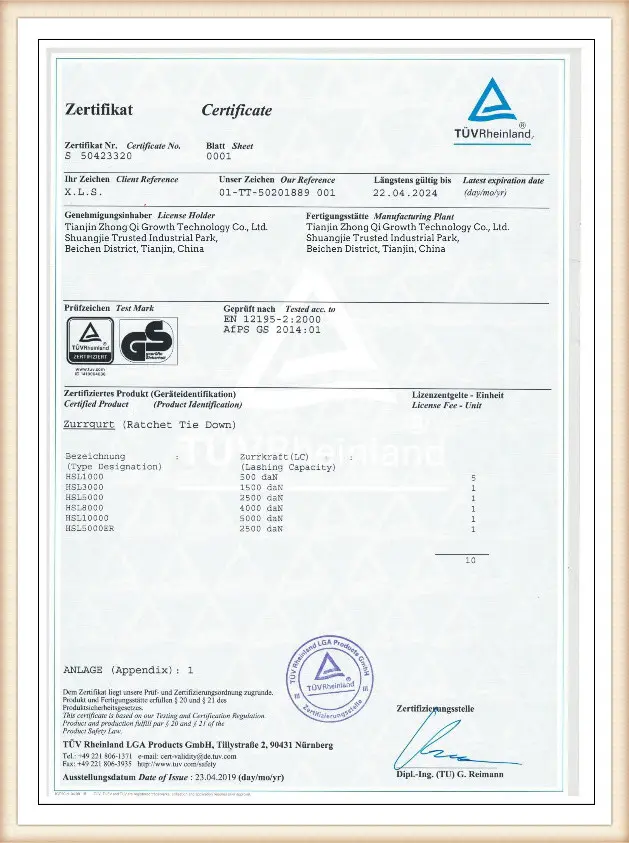
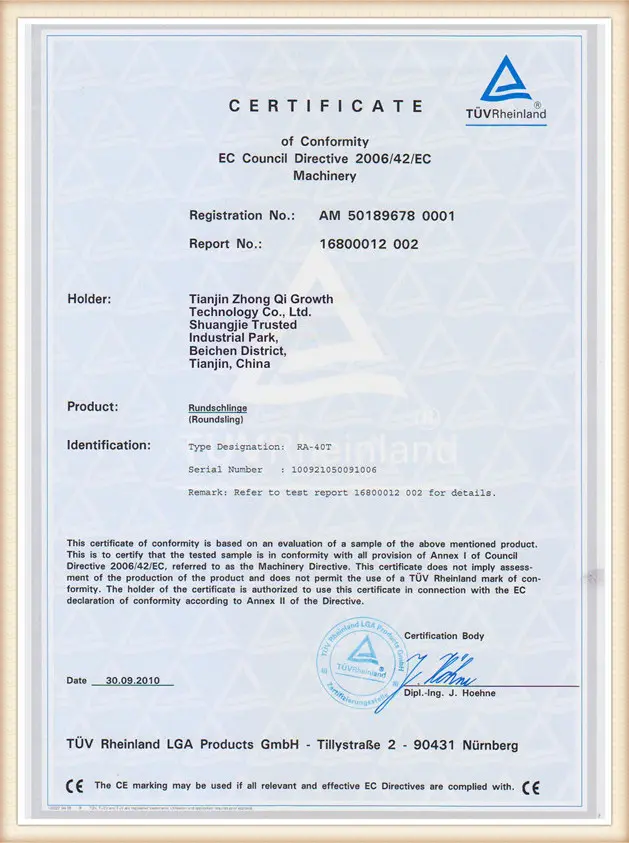
Engaging with the global material handling, container transport, and construction equipment sectors.
An international industry exhibition focusing on ports, container terminals, and shipping logistics.
The European gathering for industrial project cargo, heavy transport, and bulk logistics specialists.
A major trade show for material handling, automated warehousing, and lifting equipment.
A global exhibition for earthmoving, construction materials, and safety systems.
A North American exhibition for heavy construction, asphalt, concrete, and safety technology.
The primary trade exhibition for the lifting equipment and safety rigging industry in the UK and Europe.
Common questions regarding B2B procurement, material options, and international compliance protocols.
Get in touch with Tianjin ZhongQi Growth Technology Co., Ltd. to discuss your technical specifications, customization options, and wholesale shipping options.
Contact Our Engineering TeamComplete safety slings, rigging components, and fall protection harnesses for industrial, maritime, and utility works.