
ZhongQi Growth
In today's global marketplace, finding reliable chain sling suppliers is crucial. Chain slings are essential in various industries, including construction and logistics. Their strength and versatility make them invaluable tools for lifting heavy loads safely.
China has emerged as a key player in the chain sling supply industry. Numerous manufacturers offer a range of products at competitive prices. However, not all suppliers maintain high standards. It is essential to sift through the options to find those that prioritize quality and safety. Without proper diligence, companies risk utilizing subpar equipment, leading to potential accidents.
Investing time in research can pay dividends. A thorough understanding of the top chain sling suppliers helps mitigate risks. By examining different manufacturers, one can ensure peak performance in lifting operations. The commitment to quality, experience, and expertise should be non-negotiable. This industry demands accountability and reliability.
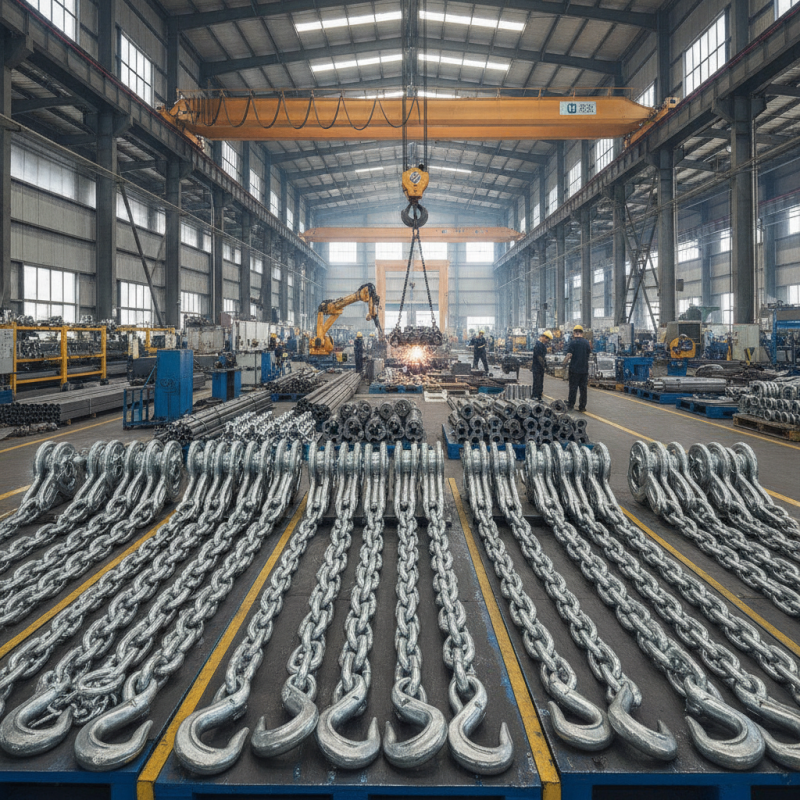
China has established itself as a global hub for chain sling manufacturing. This industry supports various sectors, including construction and shipping. A multitude of suppliers offer an extensive range of products. Some focus on high-quality materials, while others provide cost-effective solutions. Understanding these differences is essential for businesses seeking reliable partners.
Many suppliers emphasize innovation in their manufacturing processes. Advanced technology and skilled labor improve product durability and safety. Still, some manufacturers struggle with quality control. Variability in standards can lead to inconsistent results. This inconsistency highlights the importance of selecting reputable suppliers.
Evaluating suppliers requires careful consideration. Look for certifications that ensure compliance with industry standards. Online reviews and testimonials can provide insights into their reliability. Visiting factories may help in assessing their production capabilities. In this competitive market, due diligence is vital. It can significantly impact the success of your global operations.
When selecting a chain sling supplier in China, consider several critical factors. Quality should be a top priority. Verify the materials used in manufacturing. Premium steel and rigorous testing enhance durability and safety.
Tip: Always ask for detailed specifications. This can help you gauge the supplier's commitment to quality and reliability. Engage in conversations about their production process. This can reveal their level of expertise.
Look for suppliers with extensive experience in the industry. Longevity often indicates stability and reliability. Seek recommendations and read reviews from past customers. These can provide insights into the supplier's reputation.
Tip: Create a checklist of criteria to evaluate potential suppliers. This simple action can clarify your decision-making process. Don't hesitate to ask questions about certifications and compliance with international standards. This ensures that the supplier adheres to necessary legal requirements.
When assessing chain sling quality standards in China, several factors must be considered. The country's manufacturing capabilities are advanced, offering diversity in material and design. However, not all suppliers adhere to the same quality benchmarks. It’s essential to scrutinize the certifications and safety standards they claim to follow.
Many Chinese suppliers demonstrate a commitment to quality, but gaps can exist. Testing processes may vary greatly. Some factories implement rigorous inspections, while others might overlook critical aspects. Certifications can be misleading without a comprehensive understanding of their implications. A thorough review of the supplier’s production methods may reveal these inconsistencies.
Moreover, the global market demand influences standards significantly. Suppliers often adjust their practices to meet international compliance. Yet, sometimes these adjustments are superficial. It remains crucial to engage in direct communication with potential suppliers. This dialogue helps in assessing their true commitment to quality and reliability. Understanding their history and industry reputation can provide invaluable insights.
Global supply chains play a vital role in the chain sling industry. These supply chains ensure that manufacturers receive the materials they need promptly. A reliable chain sling depends on quality components sourced from various regions. Each component, from steel to synthetic fibers, has its own origin story.
Quality control becomes crucial in this process. Not all suppliers maintain the same standards. Variability can lead to differences in product performance. Manufacturers must conduct regular audits. This ensures compliance with industry standards. They must also build strong relationships with suppliers. Transparent communication aids in addressing any issues that arise.
Challenges exist in managing these global connections. Geopolitical tensions and natural disasters can disrupt supply lines. Suppliers may be at risk during these events, leading to delays. Companies should develop contingency plans. This flexibility allows for resilience in the supply chain. An adaptable approach ensures that the industry can meet the growing demands worldwide.
| Supplier Type | Location | Annual Production Capacity (Tons) | Export Markets | Certifications |
|---|---|---|---|---|
| Manufacturer | Shanghai | 1500 | North America, Europe | ISO 9001, CE |
| Distributor | Guangzhou | 800 | Asia, Australia | ISO 14001, SGS |
| Supplier | Beijing | 500 | Middle East, Africa | API, CE |
| Manufacturer | Tianjin | 1200 | South America, Europe | ISO 9001, ASME |
| Distributor | Shenzhen | 400 | North America, Asia | ISO 45001, SGS |
China is a significant player in the global chain sling production landscape. Recent trends indicate a shift towards more sustainable practices in manufacturing. Suppliers are increasingly adopting eco-friendly materials and processes. This shift is partly driven by global demand for greener solutions. As industries prioritize sustainability, products that meet these standards are gaining traction.
Innovative technologies are transforming production processes. Automation and advanced materials are becoming common in Chinese factories. This enhances efficiency and accuracy. However, some suppliers face challenges in adapting to these changes. The initial investment in technology can be substantial. There may also be a skills gap among the workforce. Companies must retrain employees to handle new machinery.
Market dynamics are also evolving. Demand for customized solutions is on the rise. Clients seek products tailored to their specific needs. This requires suppliers to be agile and responsive. However, balancing customization with cost-effectiveness can be difficult. There is a need for continuous improvement in supply chain practices. Navigating these trends will be vital for suppliers aiming to maintain a competitive edge in the future.
: Quality should be the top priority. Verify the materials used in manufacturing.
Always ask for detailed specifications and engage in conversations about their production process.
Extensive experience often indicates stability and reliability in the industry.
Reviews can provide insights into the supplier's reputation and reliability.
Don't hesitate to ask about certifications and compliance with international standards.
Many suppliers show commitment, but gaps in quality can exist. Testing processes vary.
A comprehensive understanding is necessary; certifications can be misleading.
Suppliers often adjust practices for compliance, but these adjustments may be superficial.
Direct communication helps assess their commitment to quality and reliability.
Understanding their history and industry reputation can provide invaluable insights.
The article "Top Chain Sling Suppliers in China for Your Global Needs" presents a comprehensive overview of the leading manufacturers in the chain sling industry. It highlights key players and discusses essential criteria for selecting a reliable supplier, ensuring that buyers can make informed decisions. The comparative analysis of quality standards further emphasizes the importance of maintaining high manufacturing practices in China.
Additionally, the article explores the significance of global supply chains in the chain sling industry, underscoring how interconnected markets influence production and distribution. Looking ahead, it addresses future trends in chain sling production and supply in China, shedding light on innovations and shifts that may impact both local and international buyers. Overall, the insights provided are crucial for businesses seeking quality chain sling products in an increasingly competitive global marketplace.
