
ZhongQi Growth ZhongQi Growth

How to Choose the Best Boat Tie in 2026?

Time:2026-11-06 Author:Mason
0%

Choosing the best Boat Tie in 2026 is less about picking the thickest rope and more about matching it to your boat, dock, and usual conditions. A reliable tie should hold securely, handle regular exposure to sun and water, and remain manageable when you need to adjust it. Looks simple. Until the wind shifts. A line that works for a small runabout at a sheltered dock may not suit a heavier boat or a berth with strong wake. Length matters, too: a tie that is too short can pull tight, while excess slack may let the boat move farther than intended. Small details matter.

This guide looks at the practical choices, including rope material, diameter, length, construction, and useful fittings. It also explains why checking your boat and dock setup matters before buying. Rather than treating one product as best for everyone, compare the manufacturer’s recommendations with your boat’s size and expected conditions. That distinction can prevent a confident guess from becoming an expensive one. Inspect the line for fraying, stiffness, or worn contact points, especially after heavy use. Still, no checklist can predict every change in weather or dock movement. A careful choice reduces risk; it does not remove it. Even good gear needs regular attention. Be practical.
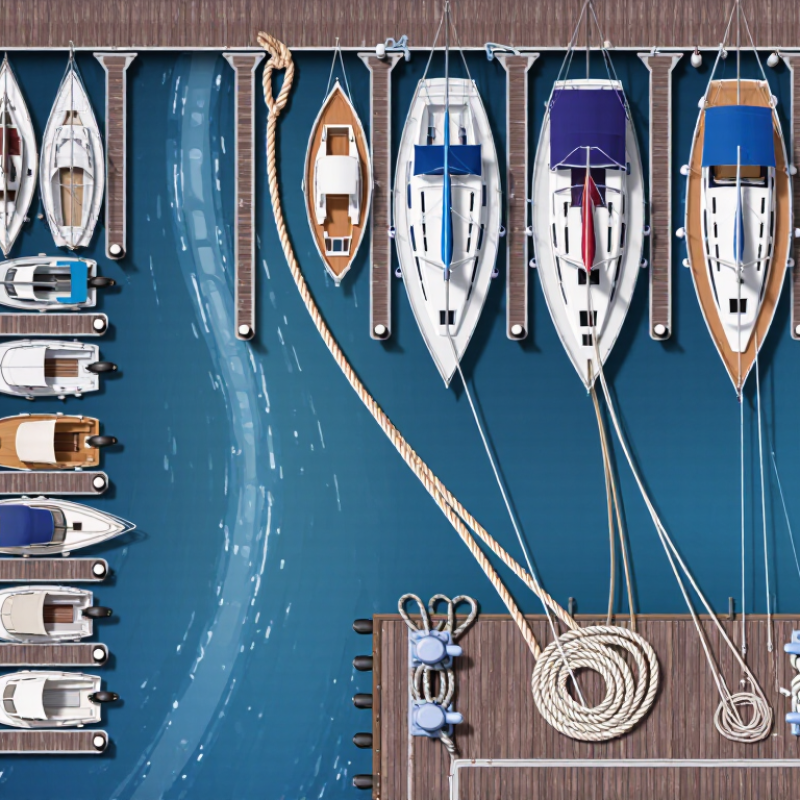
How to Choose the Best Boat Tie in 2026?

Understanding What a Boat Tie Is and How It Is Used

A boat tie is a line or strap that helps keep a boat secure while it is docked, stored, or carried on a trailer. The term can describe different equipment, so check what the job requires. Mooring lines connect a boat to dock cleats or posts; trailer tie-downs hold the hull against movement during transport. They are not interchangeable. A soft dock line can stretch and chafe, while a trailer strap needs suitable strength and secure attachment points.

At a dock, lines are commonly led from the boat’s cleats to sturdy dock fittings. Leave enough slack for changing water levels, but not so much that the boat can swing into nearby vessels. Small details matter. Check for fraying, worn stitching, cracked hardware, and sharp edges that could damage a line. On a trailer, position straps as directed for the boat and trailer, then tighten them firmly without crushing or distorting the hull. I’ve found that a tie can look secure while rubbing against a sharp corner. It deserves another look. Conditions change, so inspect the setup again after wind, wakes, or a long drive.

How to Choose a Boat Tie: Dock Line Diameter by Boat Length

A common rule of thumb is to use about 1/8 inch of dock-line diameter for every 9 feet of boat length. This chart applies that guideline to example boat lengths. Actual line choice depends on the boat, dock setup, conditions, and line manufacturer recommendations.

Identifying Your Boat, Trailer, and Tie-Down Requirements

How to Choose the Best Boat Tie in 2026?

Identifying Your Boat, Trailer, and Tie-Down Requirements

Start with the boat’s actual weight, length, hull shape, and recommended lifting or securing points. Include fuel, batteries, gear, and onboard water; the dry-weight figure may not reflect your travel load. NMMA reports that about 95% of boats on U.S. waters are under 26 feet, but size alone does not determine tie-down needs.

That matters.

Next, inspect the trailer. Note its frame material, anchor locations, and whether the bow eye and transom points are accessible without straps rubbing against sharp edges. Choose ties with a clearly marked working load limit, not just a breaking-strength figure. Match the rating to the load, and check the boat and trailer manuals for approved attachment points.

A strap that fits neatly can still be wrong for the job.

For a useful benchmark, FMCSA cargo-securement rules require aggregate working load limits of at least half the cargo weight on covered commercial vehicles. Private boat trailers may not fall under that rule, so do not treat it as a universal legal requirement. Use it as a reference, then follow your trailer maker’s guidance and local requirements.

Check buckles, stitching, and contact points before each trip. Small wear matters.

One thing is easy to miss: recheck tension after the first short drive, when the hull and straps may settle.

Comparing Boat Tie Materials, Designs, and Load Ratings

Boat tie materials behave differently around spray, sun, and sharp hardware. Nylon stretches under sudden loads, which can soften a shock, but it absorbs water and may lose strength when wet. Polyester stretches less and usually handles sunlight better. Polypropylene floats, yet prolonged UV exposure can make it brittle. Check stitching, edges, and metal fittings, not just the webbing.

Design matters, too. A ratchet strap can secure a boat on a trailer, while a dock line needs enough give for changing water levels. Choose a strap width and buckle that fit the attachment points without twisting. Small details count. A rough cleat can slowly abrade a line, even when its rating looks generous. I would not treat a thicker strap as automatically safer; poor fit can still cause damage.

Compare working load limits, not just breaking strengths. The working limit is the more useful figure for routine use, while breaking strength describes failure under test conditions. Check the rating on the product label and follow its stated use. If several ties share a load, do not assume each carries an equal portion. Movement, angle, and uneven tension change the forces. Inspect ties before each trip, and replace any with cuts, faded fibers, loose stitching, or a distorted buckle. I sometimes find wear where it is least visible.

Choosing the Right Length, Fit, and Attachment Points

A boat tie-down should fit the boat and trailer as a system. Measure from each transom eye to its trailer attachment point, then allow enough length for a straight pull without touching sharp edges or dragging on the road. Short straps can pull at awkward angles; overly long ones can snag or loosen. Use rated transom eyes and trailer-frame points, not handrails or cleats. Check the strap’s working load limit (WLL), stitching, hooks, and buckles before each trip. A frayed edge matters.

The Federal Motor Carrier Safety Administration’s cargo-securement rule sets an aggregate tiedown WLL of at least 50% of cargo weight for covered commercial vehicles. It is not a universal recreational-trailer rule, but it is a useful reference—not a substitute for your trailer maker’s instructions or local requirements. Choose attachment points that create opposing pulls and keep the hull snug without crushing a cushion or deforming a fitting. I’ve seen straps look tight while hooks sit barely inside an eye; check the connection from both sides.

Tips: After a short drive, stop safely and check tension. Retighten if needed. Wet webbing can settle, and a strap may shift around a corner. Keep the bow secured to the trailer as well, and replace any tie-down with damaged webbing, bent hardware, or an unreadable rating label.

Checking Quality, Safety Features, and Long-Term Durability

A dependable boat tie should feel substantial without being stiff or awkward. Check the webbing for even stitching, clean edges, and no thin or fuzzy patches. Feel the edges. Rough spots can indicate wear, though appearance alone cannot prove strength. Look for a clearly marked working load limit, and match it to the boat and trailer manufacturer’s guidance. Avoid guessing from strap width. A wide strap can still have weak stitching or poorly made hooks.

Safety depends on the details you handle before every trip. Hooks should close securely and sit fully on sound anchor points, not on sharp corners or corroded fittings. A ratchet should move smoothly and lock without slipping; keep fingers clear while tightening. Small details matter. After loading, check that the boat cannot shift, but do not overtighten against delicate rails or hull surfaces. UV exposure, salt spray, grit, and repeated bending gradually weaken materials. Rinse straps with fresh water after salty trips, let them dry fully, and store them away from sunlight. I sometimes overlook a tiny frayed thread because the rest looks fine; that is a poor shortcut. Replace a tie with cuts, damaged stitching, bent hardware, or a rating you cannot verify.

FAQS

What does a boat tie do?

It secures a boat at a dock, in storage, or on a trailer. The right type depends on the job.

Are dock lines and trailer tie-downs interchangeable?

No. Dock lines allow some movement as water levels change. Trailer straps hold the hull steady during transport.

How much slack should a dock line have?

Leave room for changing water levels, but not enough for the boat to swing into nearby vessels. Check nearby cleats and posts, too.

Which materials work best for boat ties?

Nylon stretches under sudden loads but can absorb water. Polyester stretches less and often handles sunlight better. Polypropylene floats, though sun exposure can weaken it.

What should I check before towing a boat?

Inspect the webbing, stitching, hooks, buckles, and rating label. Use rated attachment points, such as transom eyes and trailer-frame points. No handrails.

How tight should trailer straps be?

Tighten them enough to limit movement without crushing or distorting the hull. A strap can look secure while rubbing against a sharp corner.

What does a working load limit tell me?

It gives a useful load rating for routine use. Do not rely only on breaking strength or assume multiple ties share weight evenly.

When should I inspect or replace a boat tie?

Check it before each trip and again after a short drive. Replace ties with frayed webbing, loose stitching, bent hardware, or unreadable labels. I still miss hidden wear sometimes.

Conclusion

Choosing the best Boat Tie in 2026 starts with understanding its role: it secures a boat to a trailer or another suitable support to help limit movement during transport or storage. Before selecting one, consider your boat’s size and weight, your trailer setup, how often you travel, and the conditions in which the tie will be used. These details help determine the level of strength and security you need.

Compare materials, construction, load ratings, and fastening designs, then choose a length that fits your setup without excessive slack or awkward tension. Check that the attachment points are suitable and that buckles, hooks, stitching, and other components feel robust and easy to inspect. A well-matched Boat Tie should be straightforward to use, resist wear from regular use and exposure, and remain dependable over time. Always follow the product’s instructions and check the tie and its connections before each use.

Mason

Mason

Mason is a seasoned marketing professional with a deep expertise in the company's offerings and a passion for driving brand awareness. With a strong background in digital marketing strategies, he has an innate ability to connect with diverse audiences and effectively communicate product benefits.......