Choosing the right Sling Flat in 2026 is not a matter of selecting the widest webbing or the highest advertised capacity. It requires a practical assessment of load weight, lifting angles, edge conditions, temperature, and handling frequency. A sling that looks strong on a warehouse shelf may suffer cuts, abrasion, chemical damage, or hidden stitching failure after repeated use. Small details matter. So does honest inspection.
Lifting-equipment specialist Chris McCarthy explains, “A lifting sling is only reliable when its condition matches its rated capacity.” This principle should guide every purchase. Buyers should check the manufacturer’s label, working load limit, material type, length, eye construction, and applicable inspection guidance. Polyester may suit many general applications, but heat, sharp edges, solvents, and outdoor exposure can change the decision. Protective sleeves are useful, but they are not magic. I have seen users treat them as permission to ignore damaged webbing. That is a mistake.
A dependable Sling Flat selection process also considers the people using it. Can they identify a twisted sling? Can they position the load without standing beneath it? Does the supplier provide traceable documentation and clear care instructions? These questions reveal more than a product photograph. The lowest price can become expensive after one preventable failure. Still, no checklist removes every uncertainty. Field conditions are often messier than planning documents suggest. Recheck the sling before each lift, record concerns, and replace equipment when doubt remains. Safety deserves that uncomfortable decision.
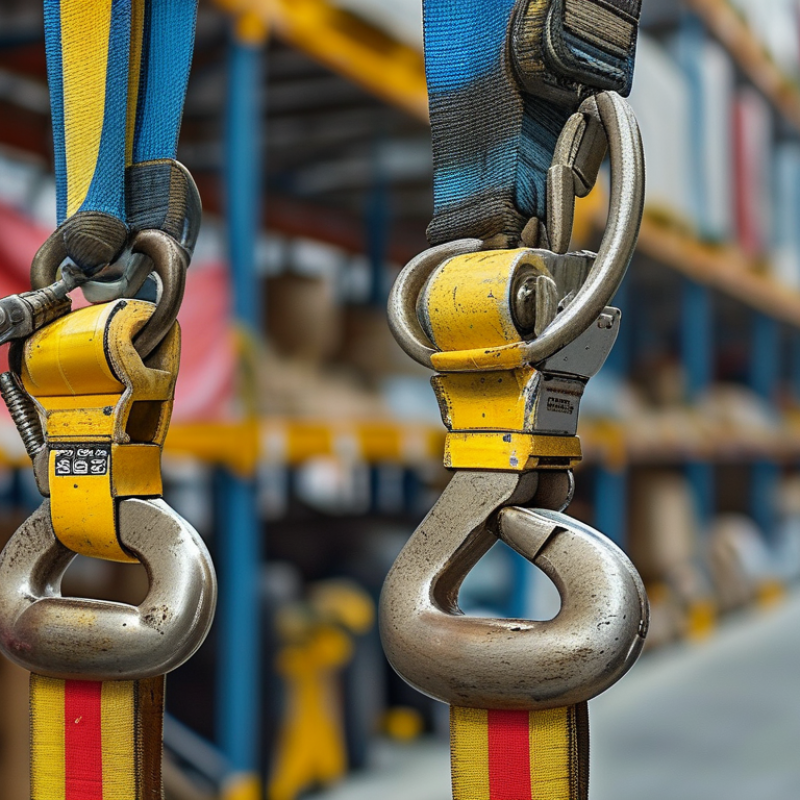
Understanding Flat Sling Types and Their Lifting Applications
How to Choose Flat Slings for Lifting in 2026?
Flat slings differ by construction, length, width, and connection style.
Single-layer web slings suit lighter loads and limited clearance.
Multi-layer slings provide greater capacity and better load distribution.
Endless slings wrap around pipes, beams, and irregular objects.
Eye-and-eye slings work well with hooks in vertical, basket, or choker hitches.
The hitch changes the working load limit. Never choose by appearance alone.
Polyester webbing is common because it resists moisture and many chemicals. However, sharp edges can cut it quickly.
Use protective sleeves around steel corners, even when the sling looks thick.
EN 1492-1 specifies safety requirements and working load markings for textile slings. OSHA 1910.184 also requires inspection before use and removal of damaged slings. A small cut matters.
HSE’s Work-related Fatal Injuries in Great Britain, 2023/24 report recorded 138 worker deaths, with lifting activities remaining a serious workplace concern.
The figure does not measure sling failures directly, but it shows why selection needs evidence.
Check the load weight, center of gravity, hitch angle, and lifting points.
A tight choker can reduce capacity. That detail is often missed.
Records should show the sling type, rated capacity, inspection date, and observed damage.
Sometimes, a longer sling seems safer, but excess length can increase swing and contact with nearby structures.
Assessing Load Weight, Shape, and Required Sling Capacity
How to Choose Flat Slings for Lifting in 2026?
Assess the load’s true weight before selecting a flat sling. Include pallets, fixtures, packaging, and trapped materials. A 2,000-kilogram machine may become heavier after fluids or attachments are added. Check the sling’s working load limit, not its breaking strength. OSHA 1910.184 requires synthetic web slings to show rated capacities and receive inspections before use. ASME B30.9 also separates vertical, choker, and basket capacities. These ratings are not interchangeable.
Shape matters as much as weight. A narrow steel edge can cut fibers, even when the load seems stable. Use edge protection and keep contact areas smooth. Find the center of gravity before lifting. If it sits off-center, the sling may slide or overload one section. Sling angle changes tension sharply. At a 30-degree angle from horizontal, each leg can carry the full load force. At 60 degrees, tension is lower, but poor positioning still causes movement. The math is useful. Field judgment can still fail.
Tips: Weigh uncertain loads. Inspect every inch. Reject cuts, melted fibers, crushed sections, and unreadable labels. Keep hands away from pinch points. Do not drag a sling beneath a load or shorten it with knots. Record the selected capacity and sling angle in the lift plan. A neat spreadsheet can still be wrong; recheck it beside the actual load. Sources: OSHA 1910.184; ASME B30.9; International Labour Organization, Safety and Health at Work.
Selecting Sling Materials, Widths, Lengths, and Safety Factors
Choosing flat slings in 2026 starts with the load, not the catalog.
Polyester suits most general lifting because it resists moisture and many common chemicals. Nylon offers better elasticity, but acids can damage it severely. Select only certified webbing with traceable markings.
EN 1492-1 specifies a 7:1 minimum safety factor for textile slings. That factor is not extra capacity.
Width affects pressure and stability.
A wider sling spreads contact over a larger surface and reduces edge loading. For a 2,000-kilogram load, a 50-millimeter sling may be unsuitable in a choker configuration. Check the manufacturer’s rated-capacity table for vertical, choker, and basket lifts.
Angle matters too. At 30 degrees from horizontal, sling tension can approach twice the load share. Small changes become expensive.
Length should allow a controlled hitch without sharp bends.
Leave enough room for fittings, but avoid loose webbing near rotating equipment. Inspect stitching, cuts, heat glazing, chemical stains, and distorted hardware before every lift.
The U.S. Bureau of Labor Statistics recorded 5,283 fatal workplace injuries in 2023, showing why routine checks cannot be treated as paperwork.
I still recheck the angle. People make mistakes. Replace a sling when its identity label is unreadable, even if the fabric looks sound. Safety factors are calculated limits, not permission to lift carelessly.
Checking Compatibility With Lifting Equipment and Work Conditions
How to Choose Flat Slings for Lifting in 2026?
A flat sling is only suitable when it matches the lifting equipment and the load. Check the sling’s working load limit, length, width, and lifting configuration. A vertical lift, basket hitch, and choker hitch may have different capacities. Never rely on memory. Read the identification tag before connecting anything.
Inspect the crane hook, shackle, lifting beam, or other attachment point. The hook must support the sling without forcing it against the latch or narrow throat. Sling eyes should sit smoothly on the hook, without twisting. Remove sharp edges with proper corner protection. Otherwise, one metal corner can cut through the webbing under tension. Keep the sling away from heat, welding sparks, corrosive liquids, and rough surfaces. Small damage matters.
Work conditions can change during the lift. Wind, limited visibility, uneven floors, and restricted space may affect control. A competent person should confirm the load’s balance and the sling angle before lifting. Keep people clear of the suspended load. Stop if the sling slips, stretches strangely, or contacts an unexpected edge. I have found that rushed inspections miss simple problems, especially dirty tags and hidden abrasion. A checklist helps, but it is not a substitute for judgment. When the equipment, load, or environment seems uncertain, pause and reassess the lifting plan.
Inspecting, Using, and Replacing Flat Slings Safely in 2026
How to Choose Flat Slings for Lifting in 2026?
Inspecting, Using, and Replacing Flat Slings Safely in 2026
A flat sling can look acceptable while hidden fibers carry serious damage. Inspect it before every shift, after rough handling, and whenever the load changes. U.S. OSHA 29 CFR 1910.184 requires daily inspections for defects, wear, and damage. ASME B30.9 also emphasizes competent inspection and proper removal from service. Check the label first. Confirm rated capacity, sling type, hitch configuration, and angle. Then examine every edge, loop, seam, and stitching line. Look for cuts, heat glazing, chemical stains, crushed sections, and exposed yarns.
Small defects matter. Stop using the sling immediately if the label is missing or unreadable. Do not knot it, sew it, or hide damage with tape. Store slings away from sunlight, moisture, sharp edges, and welding sparks. Use corner protection when loads have rough contact points. Keep hands clear during tensioning. Never stand beneath a suspended load. The U.S. Bureau of Labor Statistics reported 1,495 fatal injuries in transportation and material-moving occupations in 2023. That figure does not isolate sling failures, but it shows why controlled lifting deserves attention. Replacement decisions can feel conservative. They should. A sling with melted fibers, broken stitching, severe abrasion, chemical attack, or permanent distortion belongs in a clearly marked discard area. Record the inspection. A checklist helps, but it cannot replace judgment.
How to Choose Flat Slings for Lifting in 2026
The chart shows the theoretical tension multiplier for a two-leg lift at different sling angles, measured from the horizontal. As the angle decreases, sling tension rises sharply: at 30°, each sling carries approximately twice the load force. Always use the sling manufacturer’s marked working load limit, inspect before use, and remove slings with cuts, burns, chemical damage, broken stitching, distorted fittings, or missing identification.
FAQS
: Match the sling’s rated capacity, length, width, and lifting method to the load. Check the identification tag before connecting it. Never rely on memory.
No. Vertical, basket, and choker hitches can have different capacities. The sling angle may also reduce lifting capacity. Confirm the planned configuration.
Examine the label, edges, loops, seams, and stitching. Look for cuts, crushed areas, melted fibers, stains, and exposed yarns. Small damage matters.
Inspect the hook, shackle, beam, or attachment point. The sling eye should rest smoothly without twisting. Avoid forcing it against a latch or narrow hook throat.
Rough corners can cut webbing when tension increases. Use suitable corner protection at every sharp contact point. One metal edge can cause serious damage.
Wind, poor visibility, uneven floors, and narrow spaces can reduce control. Confirm the load’s balance and sling angle before lifting. Pause when conditions change.
Stop if the sling slips, stretches unusually, or touches an unexpected edge. Keep everyone away from the suspended load. Never stand underneath it.
Remove it for missing labels, broken stitching, severe abrasion, chemical damage, heat damage, or permanent distortion. Do not knot, sew, tape, or conceal damaged webbing. Mark it clearly for disposal.
Store them away from sunlight, moisture, sharp edges, heat, and welding sparks. Keep them clean and dry. Dirty labels can hide important information.
No. A checklist supports inspection, but judgment still matters. I may miss a hidden worn fiber when rushing. Pause and reassess uncertain lifts.
Conclusion
Choosing the right flat sling in 2026 begins with understanding the available types and their intended lifting applications. A Sling Flat may be suitable for general material handling, but the correct selection depends on the load’s weight, shape, balance, edges, and lifting points. Before use, calculate the required capacity and consider the appropriate width, length, material, and safety factor for the task. Wider or longer slings may improve load distribution, while protective measures can help reduce damage from sharp edges or rough surfaces.
Compatibility with hooks, shackles, cranes, and other lifting equipment is equally important. Working conditions such as temperature, moisture, chemicals, abrasion, and limited space should also influence the choice. Safe operation requires trained personnel, proper positioning, balanced loading, and avoidance of sudden movements or unauthorized modifications. Inspect each sling before and after use for cuts, burns, stretching, broken stitching, contamination, or other damage. Any sling showing serious wear or uncertain capacity should be removed from service and replaced promptly.
 ZhongQi Growth
