
ZhongQi Growth ZhongQi Growth

How to Choose the Best Tie Downs for Secure Transport?

Time:2026-05-16 Author:Liam
0%

Choosing the right tie downs is crucial for secure transport. With a variety of options available, making the right choice can seem daunting. Tie downs are not just straps; they are essential for ensuring your cargo arrives safely.

Consider the environment where you will use these tie downs. For open roads, weather-resistant materials offer durability and strength. However, if you work in a controlled setting, lighter options may suffice. Reflect on past experiences when tie downs failed. Did they loosen during transit? Identifying these issues can enhance your decision-making.

Next, think about the weight and size of your cargo. Light-duty tie downs may suffice for small items, but heavy loads require stronger options. Examining the specifications helps prevent potential mishaps. Sometimes, the best tie downs are not the most expensive. Quality matters, but understanding your specific needs is paramount. Balancing cost, strength, and practicality ensures a reliable transport solution.
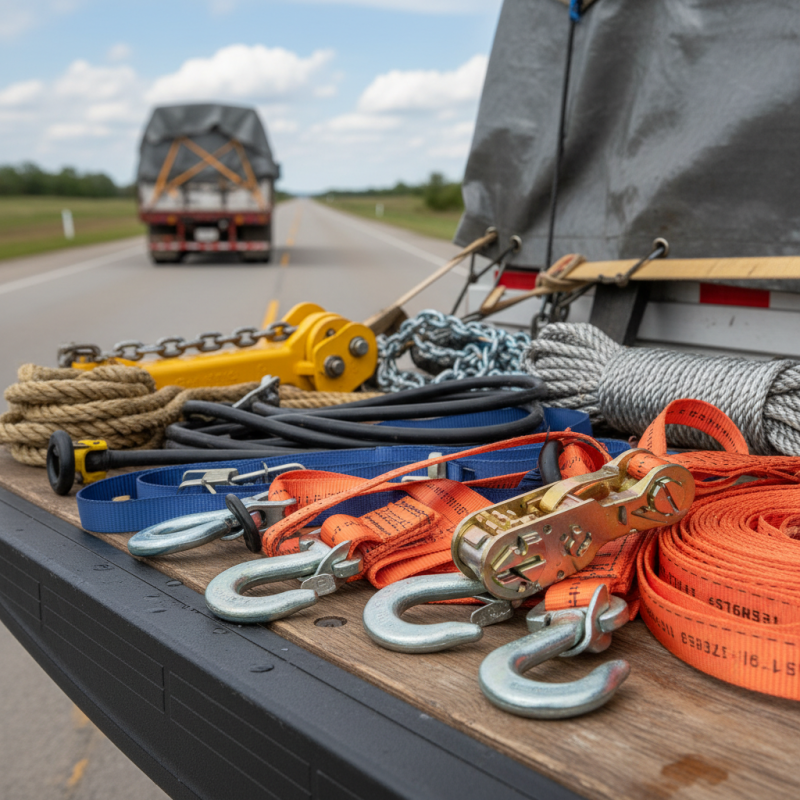
How to Choose the Best Tie Downs for Secure Transport?

Understanding the Importance of Tie Downs in Secure Transport

Tie downs are crucial for secure transport. They ensure that cargo remains in place during transit. Without them, loads can shift, leading to damage or accidents. Understanding their importance is essential for anyone involved in transporting goods safely.

Choosing the right tie downs can be overwhelming. There are various types, such as ratchet straps and cam buckle straps. Not every tie down is suitable for every load. For heavy items, opt for stronger materials. Lighter loads may only require basic straps. Always check the weight capacity before making a selection.

Tips: Always inspect your tie downs before use. Look for signs of wear or damage. Replace any worn-out straps immediately. Ensure you know how to properly secure your cargo. A few minutes spent on preparation can prevent costly mistakes. Also, consider using additional protection like edge protectors for fragile items.

Types of Tie Downs: Straps, Ropes, and Chains Explained

When it comes to secure transport, understanding types of tie downs is essential. Straps, ropes, and chains serve different purposes and have varying strengths. According to the National Highway Traffic Safety Administration (NHTSA), improper load securing can contribute to over 5,000 accidents annually. Thus, choosing the right type is crucial.

Straps, typically made of synthetic materials, are popular due to their lightweight yet strong nature. They can handle a significant load but may have limits concerning weather resistance and UV degradation. A report by the Cargo Securement Working Group highlights that properly rated straps can support loads up to 5,000 pounds. Ropes, on the other hand, are versatile but their strength can vary widely based on material. Natural fiber ropes are less durable than synthetic ones. Chains offer superior strength but can be heavy and cumbersome.

Tip: Always check the load rating of your tie downs. This ensures safety and compliance with transport regulations. Moreover, using multiple securing methods can enhance stability. For instance, combining straps with chains can prevent slippage.

While all these options have their benefits, they must be used correctly. Many people fail to consider factors like weather conditions. A strap that functions well in good weather might not perform the same in rain or snow. Recognizing these potential pitfalls is vital for ensuring a safe transportation experience.

Factors to Consider When Choosing Tie Downs for Your Needs

Choosing the right tie downs is essential for safe transport. Start by considering the weight of the items you are securing. Heavier loads will require stronger materials. Look for tie downs that offer appropriate tensile strength. This ensures they won’t snap under pressure. Also, think about the type of cargo you’ll secure. Fragile items may need softer tie downs to prevent damage.

Adjustability is another important factor. Adjustable tie downs provide flexibility for various loads. They can accommodate different shapes and sizes, which is often needed in transportation. Also, consider the environment where you’ll use them. Weather-resistant materials are crucial if you are transporting items outdoors. Rust and wear can undermine their effectiveness.

Finally, look into the anchor points available in your transport vehicle. Tie downs should fit snugly and securely to ensure stability. It's worth reflecting on your past experiences with tie downs. Have there been instances where the load shifted? This can help guide your choices. Aim for reliability and peace of mind during transport.

How to Choose the Best Tie Downs for Secure Transport? - Factors to Consider When Choosing Tie Downs for Your Needs

Factor Description Weight Capacity Material Type
Length Consider how much length you need based on your application. Up to 3000 lbs Polyester Ratchet Straps
Width Broader straps may provide better grip and stability. Up to 5000 lbs Nylon Cam Buckle Straps
Safety Features Look for features such as durability, UV resistance, and secure buckles. Up to 4000 lbs Polypropylene Tie Down Ropes
Capacity Rating Ensure tie downs can handle the weight and tension of cargo. Up to 6000 lbs Vinyl-Coated Load Straps

Techniques for Properly Securing Loads with Tie Downs

Choosing the right tie downs is essential. Proper techniques can secure loads effectively during transport. Unsecured cargo can lead to safety hazards. It can also cause damage to your equipment or vehicle.

When securing loads, always consider the weight and size. Use multiple tie downs for larger items. Position them at different angles for better stability. A common mistake is using insufficient tie downs. This can lead to shifting during transit. Pay attention to the weight distribution. Evenly distribute the weight to minimize movement.

It's important to inspect your tie downs regularly. Wear and tear can compromise their effectiveness. Use appropriate knots to secure your loads tightly. Adjusting the tension is crucial. Loose ties can let cargo shift. Regular practice with these techniques can improve safety and reliability during transport.

Safety Tips for Using Tie Downs During Transportation

When transporting items, proper use of tie downs is vital. Securely fastening your load prevents damage and ensures road safety. Here are some essential safety tips to consider.

Inspect your tie downs before every use. Look for frays, tears, or any signs of wear. Weak or damaged straps can lead to accidents. Ensure that your tie downs are rated for the weight of your load. A low-rated strap may snap, risking your cargo and safety on the road. Always use at least two tie downs per item, strategically placing them to balance the load.

While securing your cargo, think about the routes you plan to take. Rough roads can shift your load, so double-check your adjustments before hitting the road. Remember to recheck tie downs during stops. Loads can shift, and adjustments may be necessary to maintain security. Always follow basic safety practices and keep an eye out for changes during transport.

FAQS

: Why are tie downs important for transport?

: Tie downs are essential to keep cargo secure during transit. They prevent shifting, which can lead to damage or accidents.

How do I choose the right tie downs?

Consider the weight and type of your load. Stronger materials are needed for heavier items.

What types of tie downs are available?

Common types include straps, ropes, and chains. Each type has different strengths and purposes.

How do weather conditions affect tie downs?

Weather can impact performance. A strap might not work well in rain or snow, leading to unsafe conditions.

What should I inspect before using tie downs?

Always check for wear or damage on your tie downs. Replace any worn-out straps to ensure safety.

Can I use multiple securing methods?

Yes, combining tie downs enhances stability. Use straps with chains to prevent slippage during transport.

What factors affect the effectiveness of tie downs?

Weight capacity, adjustability, and material type greatly affect their performance and reliability in transport.

How do I ensure my tie downs fit well?

Check anchor points in your vehicle. Tie downs should fit snugly for added safety and stability during transport.

Why is it important to reflect on past experiences with tie downs?

Reflecting on previous experiences helps identify potential issues. Avoid repeating mistakes by improving your choices next time.

Conclusion

Tie downs are essential tools for ensuring secure transport, significantly reducing the risk of cargo shifting or becoming loose during transit. Understanding different types of tie downs—such as straps, ropes, and chains—is crucial for selecting the right option based on the load's weight, size, and nature. When choosing tie downs, considerations such as strength, durability, and ease of use should guide your decision-making process.

Proper techniques for securing loads with tie downs improve safety and efficiency. Employing methods like the basket hitch or using appropriate tensioning tools can enhance load stability. Additionally, following safety tips, such as regularly inspecting tie downs for wear and ensuring proper attachment points, is vital for safe transportation. By keeping these factors in mind, users can effectively utilize tie downs to safeguard their cargo.

Liam

Liam

Liam is a dedicated marketing professional with a profound expertise in the industry, where he excels at highlighting the unique advantages of our core products. With a keen understanding of market trends and consumer needs, Liam frequently updates our company’s professional blog, providing......