ZhongQi Growth
In the bustling world of construction and logistics, "Rigging Slings" play a vital role. These essential tools ensure the safe lifting and transportation of heavy loads. Experts agree on their importance. Dr. Emily Zhang, a leading figure in the rigging industry, states, "The right rigging slings can elevate not just loads, but safety standards." This insight highlights the impact of high-quality slings on operations.
Choosing the right suppliers is critical. China has emerged as a top contender in the global market for rigging slings. With advanced manufacturing methods and innovative designs, Chinese suppliers are meeting diverse needs. However, not all products are created equal. Some suppliers may offer lower quality at competitive prices.
It’s essential to evaluate options carefully. Look for suppliers with proven experience and strong customer testimonials. The balance between cost and quality must always be maintained. Rigging slings are not just tools; they are lifelines in many operations. Trust in reliable products is crucial for safety and efficiency.
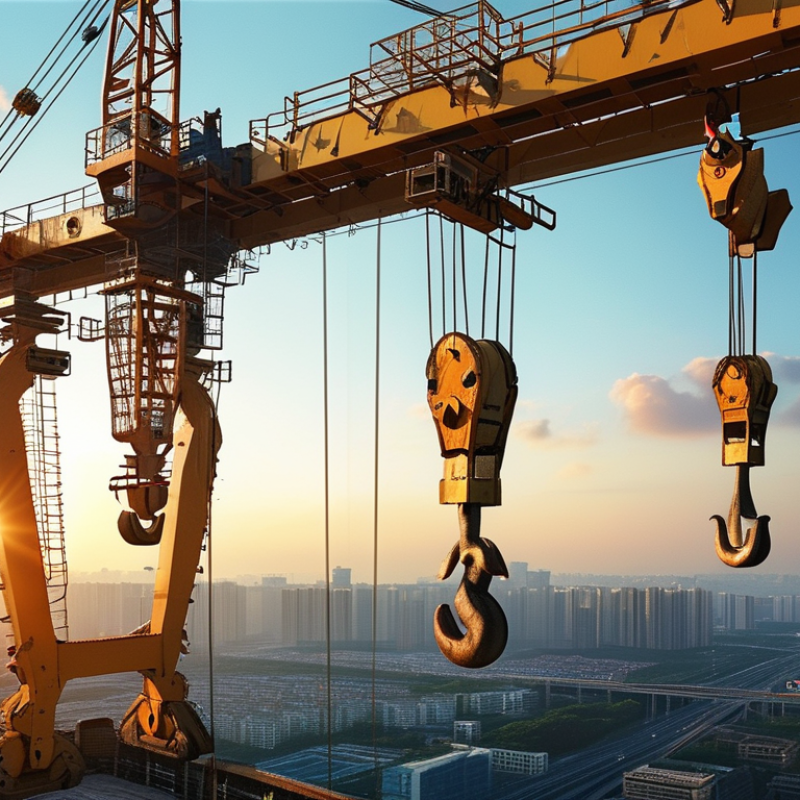
When exploring rigging slings, China's manufacturers stand out. They provide a vast array of products for various industrial applications. These manufacturers focus on quality and innovation. Their expertise ensures that users receive reliable and safe equipment.
Tips for selecting rigging slings include checking certifications and materials used. Look for slings that meet international safety standards. This can significantly impact workplace safety and efficiency. Be mindful of the lifting capacities. Overloading can lead to accidents.
Another aspect to consider is the manufacturer's reputation. Established companies often offer a wealth of experience. Reviews and testimonials can provide insights into their reliability. However, be cautious of overly positive feedback, as it may not always reflect genuine user experiences. Ultimately, investing time in research can yield the best results in sourcing rigging slings.
The global sling market has been evolving rapidly, reflecting significant trends in demand and supply dynamics. A recent report from MarketsandMarkets indicates that the global slings market is projected to grow at a CAGR of 5.3% from 2021 to 2026. This growth is driven by the booming construction and transportation industries, which require high-quality rigging solutions for safety and efficiency.
In terms of supply dynamics, China remains a prominent player. The country accounts for over 30% of the world's sling production, owing to its advanced manufacturing capabilities. However, challenges persist. Material shortages and rising manufacturing costs have impacted supply chains. These factors have forced suppliers to rethink their strategies. Many are exploring sustainable materials and innovative technologies to enhance efficiency.
Consumer demand is shifting towards products that offer better durability and safety features. A survey conducted by the International Association of Lifting and Slinging showcased that 60% of users prioritize quality over price when selecting slings. The market is also seeing a notable increase in demand for synthetic slings due to their lightweight and corrosion-resistant properties. However, balancing cost and quality remains a challenge for many suppliers in this competitive landscape.
When selecting rigging slings, quality is paramount. Key standards and certifications ensure these slings meet safety and reliability criteria. The most recognized standards include the American Society for Testing and Materials (ASTM) and the International Organization for Standardization (ISO). These organizations develop guidelines that manufacturers must follow. Compliance with these standards signifies that a product has passed rigorous testing.
Additionally, certifications like the Occupational Safety and Health Administration (OSHA) guidelines cannot be overlooked. They help maintain safety in the workplace by establishing minimum safety requirements for rigging products. However, not all suppliers follow these guidelines strictly. Some may overlook minor details that could impact sling safety during use. It's essential for buyers to verify certifications and ensure that the products meet the required standards.
In the rigging industry, the quality of slings can vary significantly. Some suppliers may cut corners to reduce costs. Understanding the importance of certifications can help end-users make informed decisions. When selecting a supplier, consider their adherence to these safety standards. Look for transparency in their testing processes and documentation. Asking questions can reveal a lot about their commitment to safety and quality.
| Supplier Type | Material | Max Load Capacity (tons) | Standards | Certifications |
|---|---|---|---|---|
| Synthetic Slings | Polyester | 12 | EN 1492-1 | ISO 9001 |
| Wire Rope Slings | Steel | 20 | ASTM A931 | CE, ISO 9001 |
| Chain Slings | Alloy Steel | 30 | EN 818-4 | ISO 9001, ASME |
| Webbing Slings | Nylon | 10 | AS 4497 | ISO 9001 |
China has positioned itself as a key player in the global rigging slings market. Recent reports indicate that the country holds over
over 30% of the world’s sling production capacity. This is primarily due to lower manufacturing costs and a robust supply chain network.
Despite these advantages, challenges remain. The industry faces issues related to quality control and standards compliance. As China ramps up production, inconsistencies in product quality have
raised concerns among international buyers.
Market analysis shows a growing demand for specialized slings. In 2022, the global rigging market was valued at approximately $9 billion. Analysts anticipate a compound annual growth rate (CAGR) of over 5% by 2030. This growth is driven by advancements in materials and technology. However, Chinese manufacturers must adapt. Innovations in synthetic fibers and safety standards are crucial. Manufacturing companies need to invest in research and development to enhance product reliability.
Additionally, environmental regulations are becoming stricter. Compliance with international standards now requires continuous improvement and adaptation. As companies in China navigate these complexities, there’s a pressing need for transparency. Buyers seek guarantees of quality and performance. Gaining trust in the global market requires a commitment to these standards. The path forward is not simple, yet it presents significant opportunities for growth.
The sling manufacturing industry is witnessing significant innovations aimed at enhancing safety and durability. Recent studies indicate that around 40% of workplace accidents could be reduced with better rigging practices and products. Improved design and material make slings safer. Advanced synthetic fibers are increasingly used. These materials are lighter yet stronger than traditional options like steel. They can withstand tremendous loads while minimizing the risk of equipment failure.
Durability is another critical focus. According to a report from a leading industry association, slings can now last up to 50% longer with innovative manufacturing techniques. Additionally, coatings that resist abrasion and chemicals are now common. However, even with these advancements, quality control is vital. Inadequate testing can lead to catastrophic failures.
Skilled professionals must continue to assess and improve the manufacturing process. Balancing innovation with reliability becomes essential as the market evolves.
: Check certifications and materials used. Ensure they meet international safety standards.
Overloading slings can lead to serious accidents. Always verify capacity before use.
Look for established companies with experience. Reviews can provide valuable insights but check their authenticity.
Standards ensure safety and reliability. Compliance indicates products have undergone rigorous testing.
Not all suppliers follow guidelines strictly. Some may neglect details that affect safety.
Verify certifications. Make sure the slings meet required safety standards before purchasing.
Be cautious. Such feedback may not reflect true user experiences. Research thoroughly.
It’s risky. Low-cost suppliers might compromise safety. Always prioritize quality and certification.
It reveals a supplier's commitment to safety and quality. Transparency is key in making informed decisions.
The article explores the landscape of rigging slings in China, highlighting the leading manufacturers and their critical role in meeting global demand. It examines the current industry trends, emphasizing the increasing need for high-quality rigging slings due to construction and logistical advancements worldwide. Furthermore, the piece delves into the essential standards and certifications that ensure the safety and reliability of these products, reinforcing China's strategic position in the global sling supply chain.
Additionally, the article discusses innovations in sling manufacturing, focusing on enhancements in safety and durability that cater to evolving industry needs. As the market continues to grow, these advancements not only improve functionality but also support the overall integrity of rigging operations globally. The synthesis of quality assurance and technological progress positions Chinese manufacturers as vital suppliers in the rigging slings sector.
