
ZhongQi Growth
When it comes to securing your load during transportation, the right tools are essential. Ratchet strap ratchet systems stand out as a reliable option. Choosing the best ratchet straps can greatly influence the safety and integrity of your haul. A good strap holds your cargo tightly, preventing movement and potential hazards on the road.
However, not all ratchet straps are created equal. Factors like material quality, width, and load capacity make a significant difference. A sturdy strap withstands stress, while a weak one can lead to serious problems. Reflecting on past experiences, it’s clear that investing in high-quality ratchet straps pays off in the long run.
Many users overlook the details. For example, a well-designed ratchet mechanism enhances ease of use. Conversely, cheap options may fail when you need them most. That’s why careful selection matters. A detailed look at various options will guide you toward making an informed decision. This guide aims to simplify that process, ensuring you choose the best ratchet straps for secure load hauling.
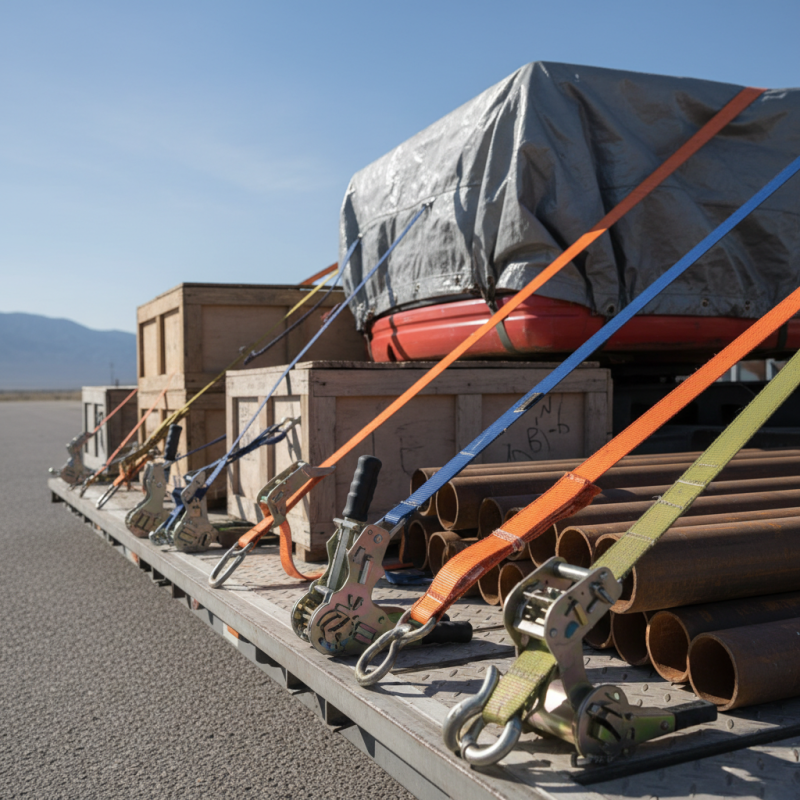
When selecting ratchet straps, understanding load capacity ratings is essential. These ratings indicate the maximum load each strap can safely secure. For safe hauling, consider both working load limit (WLL) and break strength. WLL is the recommended maximum load, while break strength is the point at which the strap will fracture. A strap with a higher WLL offers more security, but ensure you do not exceed its limits.
Choosing the right strap often involves navigating complex specifications. Look for straps with clear markings on their labels. These demonstrate compliance with safety standards. Regularly inspect your straps for signs of wear, such as fraying, cuts, or broken hooks. A damaged strap can lead to disastrous results. It’s better to replace a worn strap than risk an accident.
Load safety is a shared responsibility. Ensure your load is balanced and distributed evenly across the straps. Employ additional tie-down points if necessary, to enhance stability. Understanding these principles adds to your expertise in load securing, promoting safer transport practices. Reflect on past experiences where improper securing led to issues. Learning from these moments enhances your load hauling skills significantly.
When selecting ratchet straps, understanding key features is essential for load security. The material used in these straps greatly influences their durability. Heavy-duty polyester is common due to its strength and resistance to UV rays and moisture. This ensures that your strap won’t easily degrade over time. Choosing the correct width matters, too. Wider straps distribute weight better and minimize stress points during transport.
Grip technology plays a critical role in load security. Straps with textured surfaces offer enhanced gripping power. This reduces slippage when hauling uneven loads. Consider straps with rubberized coatings or raised designs to maximize grip. It’s advisable to test straps under varying conditions to evaluate performance.
Tips: Always check load ratings. Ensure your ratchet straps can withstand the weight of your cargo. Inspect for wear and tear regularly. A frayed strap can lead to failure, risking safety. Remember, even the best straps require routine maintenance to remain reliable. It's worthwhile to reflect on past hauling experiences to better inform future choices.
Ratchet straps are essential for various hauling tasks. Their design allows for the secure transport of cargo. Use them in moving, shipping, or securing loads on trucks. These straps are helpful in trailer setups or during road trips. A well-secured load reduces the risk of accidents and damage. Yet, improper use can lead to serious issues. Always double-check your straps before hitting the road.
Many industries rely on ratchet straps. Construction teams need them for transporting heavy materials. They are also useful for recreational activities like camping. When securing bikes, canoes, or equipment, these straps come in handy. However, remember that not all loads are created equal. Using straps that are too weak can result in failure. It is crucial to choose the right strap for each specific task.
Learning the best practices takes time. Understand the weight limits and proper techniques. Take care to avoid over-tightening, which could damage items or the straps themselves. Every detail counts when securing a load. Reflecting on past experiences can help improve future use. Being aware of common mistakes can lead to safer hauling practices.
Inspecting and maintaining ratchet straps is crucial for safe load hauling. Regular checks can help identify wear and tear. Look for frayed edges, broken hooks, or rust on the ratchet mechanism. Just a small flaw can lead to failures during transport. A thorough inspection before each use can prevent accidents.
Storing ratchet straps properly is key to their longevity. Avoid exposing them to direct sunlight or extreme temperatures. These conditions can degrade the material over time. After use, clean any dirt or debris from the straps. This simple step keeps them in good condition.
Using a tagging system may be useful. Label each strap with the date of last inspection. This encourages regular checks and helps track lifespan. Reflect on your maintenance routine. Are there patterns in wear that suggest improvements? Taking these steps can enhance safety and ensure reliable performance.
When it comes to load hauling, choosing the right ratchet straps is crucial. Not all straps are created equal. Various brands offer unique features that cater to different needs. Some focus on durability, while others prioritize ease of use. It's essential to assess the materials and design before making a decision.
One important tip is to consider the working load limit of the strap. This rating indicates the maximum weight it can safely handle. A common mistake is underestimating the load requirement. For safety, always opt for straps with a higher capacity than needed. Additionally, inspect the stitching and buckle quality. They can affect the overall reliability of the strap.
Flexibility in usage also matters. Some ratchet straps come with adjustable lengths, allowing for versatile applications. This can be handy for various hauling tasks. Keep in mind that exposure to elements like sunlight can degrade the material. Regular inspections are necessary. Over time, wear and tear can compromise the strap's effectiveness.
| Feature | Description | Industry Standard | Innovation |
|---|---|---|---|
| Material | High-strength polyester | Typically exceeds 1,500 lbs break strength | Reflective stitching for visibility |
| Strap Width | 1 inch to 3 inches | Commonly 2 inches for heavy loads | Widened strap designs to increase load stability |
| Ratchet Mechanism | Easy-to-use ratchet locking system | Meets ANSI standards for safety | Quick-release mechanism for efficiency |
| Length Options | Available in various lengths | Standard lengths range from 10 to 30 ft | Custom lengths available upon request |
| Ends Type | Hooks or flat hooks | Safety hooks for secure attachment | Anti-slip coating on hooks |
: Heavy-duty polyester is ideal. It's strong and resistant to UV rays and moisture.
Wider straps distribute weight better and reduce stress points during transport.
Textured surfaces increase grip and decrease slippage with uneven loads.
Regular inspections are critical. Check for wear, fraying, or damage to ensure safety.
They are used in moving, shipping, construction, and recreational activities like camping.
Be cautious not to over-tighten. It can damage your items or the straps themselves.
Choosing straps with insufficient capacity can lead to failures during transport.
Yes, they offer flexibility for various hauling tasks and adapt to different load sizes.
Reflecting on previous hauling experiences helps you avoid common mistakes and enhance safety.
Neglecting maintenance can degrade the straps, leading to potential safety risks and failures.
When it comes to secure load hauling, choosing the best ratchet straps is crucial for safety and effectiveness. Understanding load capacity ratings is the first step in selecting the right ratchet strap ratchet for your needs, ensuring it can handle the weight and specific application. Key features such as material quality, strap width, and innovative grip technology also play significant roles in performance and reliability.
Ratchet straps are commonly used in various applications, from transporting goods on trucks to securing items in storage. Regular maintenance and inspection are vital for longevity and safety, helping to prevent accidents during use. By keeping these aspects in mind, users can make informed decisions and choose the most suitable ratchet strap ratchet options available, contributing to safer hauling practices.
