
ZhongQi Growth ZhongQi Growth

Best Cargo Tie Down Solutions for Global Buyers?

Time:2026-07-30 Author:Aria
0%

In the logistics and transportation industry, cargo tie down solutions play a crucial role in ensuring cargo safety. According to data from the American Trucking Associations, improper cargo securing is a leading cause of accidents and cargo losses. Each year, thousands of incidents occur, resulting in significant financial loss. Effective cargo tie down methods can reduce these risks and enhance operational efficiency.

The demand for reliable cargo tie down solutions continues to grow globally. A recent report by MarketsandMarkets estimates that the cargo securing market will reach USD 2.1 billion by 2025, driven by advancements in materials and consumer awareness. With diverse cargo types, the selection of tie down products is vital. Options vary from straps and chains to netting, each with unique features and benefits.

However, many buyers face challenges in choosing the right solution. Misunderstandings about load capacities and material strengths often lead to suboptimal choices. Furthermore, the market is inundated with options, making it difficult to identify trustworthy suppliers. A focused understanding of cargo tie down specifications and supplier reliability is essential for achieving safety and compliance.
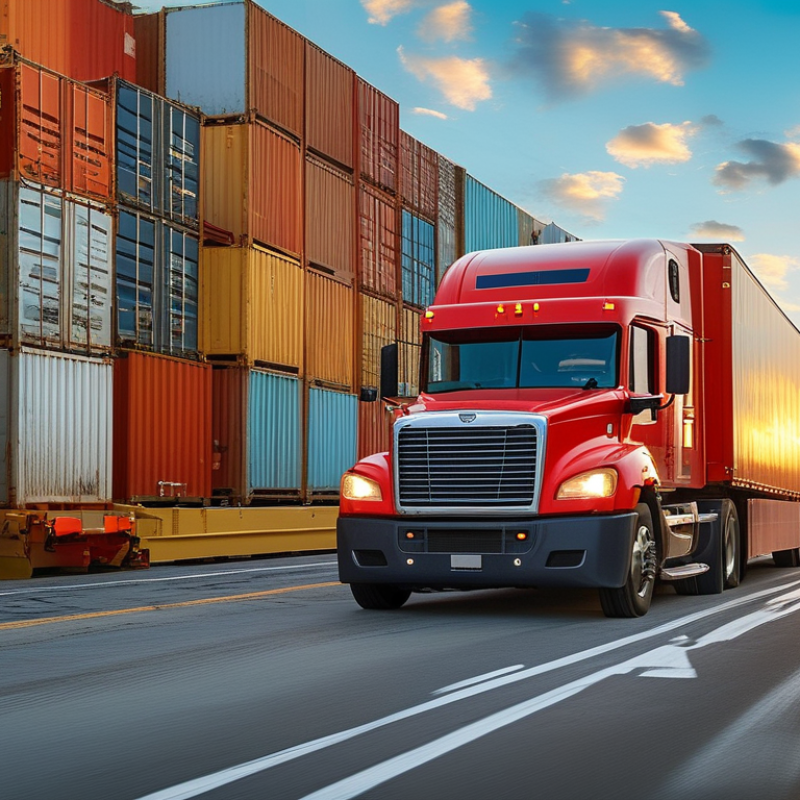
Best Cargo Tie Down Solutions for Global Buyers?

Understanding Cargo Tie Down Systems: Types and Applications

Understanding cargo tie down systems is crucial for safe transport. These systems help prevent cargo movement during transit. Various types serve different needs.

Straps, chains, and ropes are common tie-down options. Straps are lightweight but offer secure anchoring. Chains, on the other hand, provide strength for heavy loads. Ropes are versatile but may lack stability. Selecting the right type depends on the cargo size and weight.

Improper use can lead to accidents. Many users underestimate the importance of proper tension. Over-tightening can also damage cargo. Regular inspection of equipment is essential. This ensures reliability and safety during transport. Understanding these nuances is key for effective cargo management.

Key Considerations When Selecting Cargo Tie Down Solutions

When selecting cargo tie down solutions, several key factors come into play. One important consideration is the material used in the tie downs. High-strength polyester and nylon are common materials, known for their durability and resistance to abrasion. According to industry reports, polyester tie downs can withstand a tensile strength of up to 3,000 pounds. This level of strength is critical in preventing cargo shifts during transport.

Another essential factor is the working load limit (WLL). This figure indicates the maximum load each tie down can support safely. A recent study found that many buyers underestimate their WLL needs, leading to potential safety hazards. It’s advisable to choose tie downs that exceed your cargo's weight to ensure reliability.

Users should also consider the environment where the tie downs will be used. Factors such as exposure to moisture or extreme temperatures can affect the performance of tie downs. For instance, some materials may degrade in high-temperature conditions. Periodic inspections are vital to maintain functionality, as wear and tear can be challenging to detect initially. Being aware of these variables can enhance safety and efficiency in cargo transportation.

Top Brands and Products for Effective Cargo Tie Downs

When considering cargo tie downs, it's crucial to understand the various solutions available. Cargo tie downs must be reliable and efficient to ensure safety during transport. From simple straps to complex ratchet systems, each type serves a specific purpose. Rubberized tie downs offer flexibility, while heavy-duty options suit more extensive loads.

Many industry experts recommend checking the strength ratings of tie downs. Look for materials that resist wear and tear. High-quality tie downs often use durable nylon or polyester. These materials help prevent slippage and maintain tension effectively. Regularly inspect your gear for signs of wear. Even minor frays can compromise safety.

It's worth noting that different tie down methods may lead to different outcomes. Some users prefer multiple smaller straps for flexibility, while others lean toward fewer, larger options for simplicity. Users should consider their specific needs when selecting products. This ensures cargo is secured adequately. Understanding your load type and transportation conditions can make all the difference.

Innovative Technologies in Cargo Securing Devices

Cargo securing is critical for safety in transport. Innovative technologies in cargo tie-down solutions are reshaping the logistics industry. According to a recent report by the International Cargo Security Association, around 30% of cargo damage is due to inadequate securing measures. Hence, advanced solutions are necessary.

One technology gaining traction is integrated tensioning systems. These systems aid in automatically adjusting tension during transport, significantly reducing risks. Additionally, smart tie-downs equipped with sensors provide real-time feedback on load stability. Companies using these technologies have reported a 25% decrease in cargo-related incidents.

When selecting cargo securing devices, ensure they meet recognized safety standards. Inspect your equipment regularly to avoid vulnerabilities. Maintain clear communication among your team. This minimizes misunderstandings regarding cargo handling. Always remember that a small oversight could lead to significant risks. Regular training sessions could greatly enhance safety awareness among personnel.

Best Practices for Safe and Secure Cargo Transportation

Proper cargo tie-down solutions are essential for safe transportation. According to the National Highway Traffic Safety Administration (NHTSA), improper load securing contributes to thousands of accidents annually. Effective tie-down methods can reduce the risk of shifting cargo. Ensuring cargo stability protects not only the goods but also road users.

Tip: Always inspect tie-downs for wear and tear. A frayed rope can compromise security. It’s advisable to use multiple tie-down points to distribute weight evenly. This helps in maintaining balance, especially on uneven roads.

Professional recommendations suggest using high-tensile strength materials for tie-downs. Reports indicate that materials like polyester webbing offer a strong, lightweight alternative. When securing cargo, aim for a minimum of 1.5 times the weight of the cargo in tie-down strength. This extra margin of safety can make a significant difference during transit.

Tip: Overloading tie-downs is a common mistake. Assess the load weight before choosing your equipment. Each piece of tie-down gear should be well matched to your load specifications for optimal safety.

FAQS

: What are the common types of cargo tie-down systems?

: Common types include straps, chains, and ropes. Straps are lightweight. Chains provide strength for heavy loads. Ropes are versatile but less stable.

Why is proper tension important in cargo securing?

Proper tension prevents cargo movement during transit. Too much tension can damage cargo. Underestimating this can lead to accidents.

How can technology improve cargo securing?

Integrated tensioning systems adjust tension automatically. Smart tie-downs provide real-time feedback on stability. These innovations reduce risks significantly.

What percentage of cargo damage results from inadequate securing?

About 30% of cargo damage is attributed to inadequate securing measures, highlighting the need for reliable solutions.

What should be considered when selecting cargo securing devices?

Ensure devices meet safety standards. Inspect equipment regularly. Clear communication among team members is also crucial to avoid mistakes.

How can personnel safety awareness be improved?

Regular training sessions increase safety awareness. Consistent training helps minimize the risk of oversights and accidents.

What happens if cargo is not secured properly?

Improperly secured cargo can shift during transit. This can cause accidents and damage to both cargo and transport vehicles.

Is it necessary to inspect cargo tie-down equipment?

Yes, regular inspections are essential for reliability. This helps identify vulnerabilities before they lead to significant issues.

Conclusion

Cargo tie down systems are essential for ensuring the safe transportation of goods across various industries. This article explores different types and applications of cargo tie down solutions, highlighting key considerations to keep in mind when selecting the right system for specific needs. Among the important factors are load capacity, materials, and ease of use, as these can significantly impact the effectiveness of securing cargo.

Additionally, the article presents innovative technologies in cargo securing devices that enhance safety and efficiency, alongside best practices for safe and secure cargo transportation. By understanding the various options and innovations available in the market, global buyers can make informed decisions to optimize their cargo tie down strategies, ultimately ensuring the integrity and safety of their shipments.

Aria

Aria

Aria is a dedicated marketing professional with a deep passion for innovative strategies and a keen understanding of our company's product offerings. With a wealth of experience in the industry, Aria excels at crafting engaging content that highlights the unique features and benefits of our......